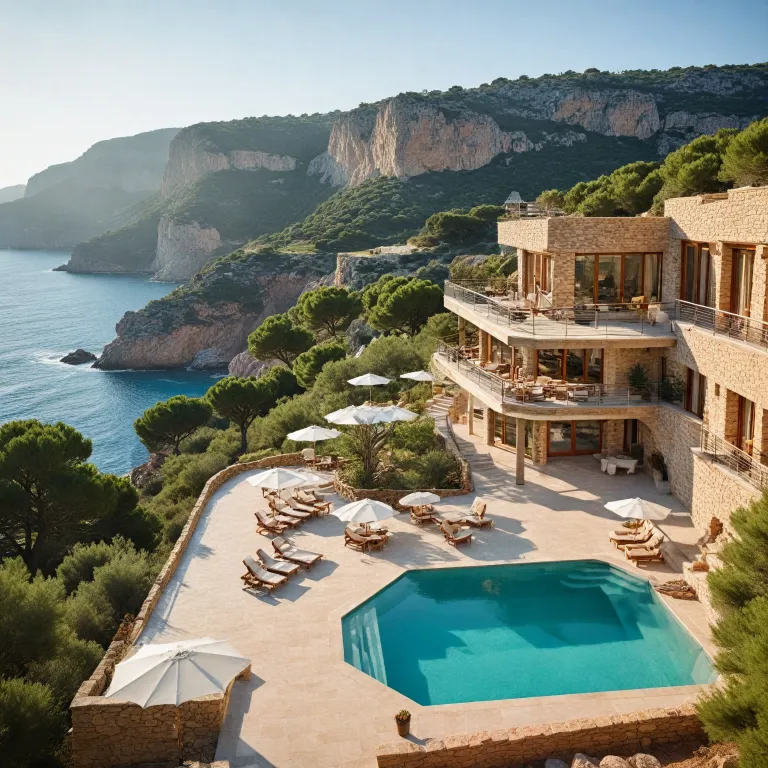
Why sustainable hotels in the Balearic Islands redefine luxury
Choosing sustainable hotels in the Balearic Islands no longer means compromising on comfort. These properties in Spain blend refined design with ecological technology, creating a hotel experience where every stay feels both indulgent and responsible. Guests enjoy a tranquil view of sea or mountain landscapes, while knowing their presence actively supports local sustainability goals.
Across each island, from Mallorca to Ibiza, leading hotels and guesthouses are investing in renewable energy and eco friendly systems. Four Seasons Resort Mallorca at Formentor, for example, has achieved LEED Gold certification, proving that a luxury hotel can meet rigorous sustainability standards without diluting its sense of place. This shift influences how travellers check options, compare rooms, and add preferences when planning a premium stay in the Balearic Islands.
RIU Hotels & Resorts has committed to supplying its Balearic hotels resorts with locally sourced renewable electricity, which significantly reduces emissions per stay. Dunas de Formentera supports nearby markets, ensuring that fruit and vegetables, artisan products, and services come from the island community rather than distant suppliers. For guests, this means a more authentic connection with each island, and a chance to protect the environment while still enjoying attentive love and care from highly trained staff.
As demand grows, sustainable hotels in the Balearic Islands are setting a new benchmark for ecological hospitality. Travellers now expect healthy menus, eco friendly amenities, and transparent sustainability reporting as part of any premium hotel offer. This evolution is especially visible in guesthouses, where smaller scale allows a more intimate community feel, and where each stay can directly support conservation projects on the island.
How guesthouses in Mallorca and Ibiza turn sustainability into a lived experience
On Mallorca, many guesthouses translate sustainability into daily rituals that guests can feel and taste. Breakfast tables feature seasonal fruit and vegetables from nearby farms, while rooms are cooled through smart design rather than excessive air conditioning. These choices create a healthy atmosphere, and they also reduce the ecological footprint of every stay on the island.
In Ibiza, properties such as Mondrian Ibiza and Hyde Ibiza have obtained Green Key certification, signalling that their hotel operations meet strict environmental criteria. Their approach to sustainability goes beyond energy efficient lighting, and extends to water management, waste reduction, and eco friendly cleaning products. For travellers comparing sustainable hotels in the Balearic Islands, this type of certification offers a clear way to check which hotel truly prioritises sustainability.
Some guesthouses collaborate with local school projects that teach children about marine conservation and responsible tourism. Guests may be invited to add a small donation at check out, or join a beach clean that helps protect the environment around the island. These activities build a sense of community between residents and visitors, and they show how hotels resorts can become hubs for ecological education.
On both Mallorca and Ibiza, sustainable mobility is another growing focus for premium properties. The Iberostar Group, for instance, has launched a sustainable mobility plan to reduce employee commuting emissions by half, which indirectly lowers the carbon impact of each guest stay. When you choose sustainable hotels in the Balearic Islands, you support this wider ecosystem of initiatives, from renewable energy to healthier staff transport.
Design details that make Balearic guesthouses truly eco friendly
Architecture plays a central role in how sustainable hotels in the Balearic Islands operate day to day. Many guesthouses are built or renovated with ecological materials, such as certified wood, natural stone, and low impact insulation. These design choices keep rooms cool in summer and warm in cooler months, reducing the need for energy intensive systems throughout the hotel.
LEED and Green Key certifications encourage hotels resorts to think about sustainability from the ground up. This can include rainwater collection, grey water reuse for gardens, and native landscaping that respects the island ecosystem. When you enjoy a view of a lush Mediterranean garden, you are often looking at a carefully planned space that helps protect the environment and supports local biodiversity.
Inside, many guesthouses replace single use plastics with refillable glass bottles, bulk amenities, and natural textiles. Lighting is usually LED, controlled by smart sensors that check occupancy and adjust brightness automatically, which lowers energy use without affecting comfort. Even small details, such as eco friendly paints and adhesives, contribute to healthier indoor air and a more pleasant stay.
Some properties integrate electric vehicle charging points, encouraging guests who arrive by van or car to choose lower emission options. Others partner with local bike rental services, allowing visitors to add cycling excursions into their itinerary and explore the island at a slower pace. Across Mallorca, Ibiza, and neighbouring islands, these design and mobility decisions show how a hotel can express love and care for both guests and the surrounding community.
Wellness, gastronomy, and the senses in sustainable Balearic stays
Wellness is a natural companion to sustainability in many Balearic guesthouses. Spa areas often use ecological products, local sea salt, and essential oils derived from island plants, creating treatments that engage all the senses. Guests leave feeling restored, knowing their healthy rituals align with the hotel commitment to sustainability and eco friendly sourcing.
Gastronomy is another pillar of sustainable hotels in the Balearic Islands, where chefs work closely with farmers and fishers. Menus highlight seasonal fruit and vegetables, olive oil, and wines from Mallorca and Ibiza, reducing transport emissions and supporting the island economy. When you check the origin of ingredients, you will often find the name of the farm or cooperative, which strengthens transparency and trust.
Some properties, including those inspired by concepts like Senses Ibiza, design tasting menus that guide guests through the flavours, textures, and aromas of the island. These experiences might be served on terraces with a sea or mountain view, where the natural setting amplifies every sensation. In this way, a single meal becomes a journey through the island community, its landscapes, and its sustainable agriculture.
Wellness programmes frequently include yoga sessions at sunrise, guided hikes into the mountain interior, or coastal walks that highlight fragile ecosystems. Guests learn how to protect the environment through simple actions, such as staying on marked paths or avoiding single use plastics during excursions. By the end of the stay, many travellers feel a deeper love and care for the Balearic Islands, and a renewed commitment to sustainable travel choices.
Digital booking journeys for eco conscious guesthouse travellers
For travellers using a luxury and premium booking website for guesthouses, sustainability filters are becoming essential. Many platforms now allow you to check which hotel holds LEED or Green Key certification, uses renewable energy, or supports local community projects. This transparency helps guests align their stay with personal values, especially when comparing sustainable hotels in the Balearic Islands.
One deep challenge is that some booking sites still lack a specific category for eco friendly guesthouses and smaller hotels resorts. As a result, properties that invest heavily in sustainability may appear alongside less responsible options, without clear differentiation. Curated platforms such as refined guesthouse stay guides show how editorial storytelling can add context, highlighting ecological practices, community engagement, and wellness offerings.
Advanced booking tools could allow guests to add preferences for ecological features, such as solar power, electric van transfers, or plant based menus. They might also show estimated emissions per stay, helping travellers compare options across Mallorca, Ibiza, and other island destinations. When platforms integrate this data, they transform sustainability from a marketing phrase into a measurable, comparable attribute.
Another opportunity lies in showcasing educational experiences linked to each hotel, such as visits to a local school garden or workshops on fruit and vegetables preservation. By presenting these activities clearly, booking sites can encourage guests to participate in programmes that protect the environment and strengthen the island community. Over time, this richer information will help sustainable hotels in the Balearic Islands stand out, rewarding those that demonstrate genuine love and care for their surroundings.
Practical tips for choosing and enjoying sustainable Balearic stays
When planning a trip to Spain, start by shortlisting sustainable hotels in the Balearic Islands that hold recognised certifications. Look for clear references to LEED or Green Key, as well as detailed sustainability reports on each hotel website. This initial check ensures that your stay supports ecological goals rather than superficial marketing claims.
Next, examine how each property engages with its island community and environment. Do they source fruit and vegetables from local farmers, support a nearby school, or organise activities that protect the environment. Hotels resorts that communicate these initiatives openly usually show deeper love and care for their destination, and they often provide more meaningful guest experiences.
Consider your own transport choices, including whether you really need a rental van, or if public transport and bicycles could cover most journeys. Many eco friendly properties on Mallorca and Ibiza offer transfers, bike hire, or guidance on low impact routes through mountain and coastal areas. By aligning your movements with the hotel sustainability ethos, you reduce your footprint and enjoy a more relaxed rhythm.
Finally, use all your senses to appreciate the subtle benefits of ecological design during your stay. Notice the natural light in your rooms, the quiet hum of efficient systems, and the freshness of local ingredients on your plate. As one expert explanation notes, “LEED (Leadership in Energy and Environmental Design) is a globally recognized certification for sustainable building practices.” and “Green Key is an international eco-label awarded to accommodations that fulfill strict environmental criteria.” and “Tourists can choose eco-certified accommodations, support local businesses, and engage in environmentally friendly activities.”
Key sustainability statistics for Balearic Island stays
- RIU Hotels & Resorts has achieved a 64 % reduction in emissions per stay over three years across its Balearic properties.
- Garden Hotels uses approximately 95 000 kg of Balearic origin products per season, reinforcing local agriculture and reducing transport emissions.
Essential questions about sustainable hotels in the Balearic Islands
What is LEED certification and why does it matter for guests
LEED certification signals that a hotel building meets strict criteria for energy efficiency, water use, materials, and indoor environmental quality. For guests choosing sustainable hotels in the Balearic Islands, it provides assurance that ecological claims are independently verified. This helps you compare properties on Mallorca, Ibiza, and other islands using a recognised global standard.
What does Green Key certification signify for a Balearic hotel
Green Key is an international eco label awarded to accommodations that fulfil demanding environmental requirements. In the Balearic Islands, hotels and guesthouses with this label must demonstrate responsible waste management, reduced energy and water consumption, and active environmental education. Travellers can therefore trust that a Green Key property integrates sustainability into daily operations, not just marketing.
How can tourists actively support sustainable tourism during their stay
Tourists can start by booking eco certified hotels, then supporting local businesses that prioritise responsible practices. Choosing activities such as guided hikes, cycling tours, or marine excursions with strong conservation credentials further reduces impact. Simple actions, including limiting water use, avoiding single use plastics, and respecting protected areas, also help preserve the Balearic Islands for future visitors.