The owner operated advantage in sustainable luxury hospitality
In the quiet world of independent hotels and characterful guesthouses, sustainability is rarely a slogan. These are places where the same person who welcomes guests in the evening has signed the invoice for insulation, energy audits and water saving fixtures the month before. That proximity between ownership, management and daily hospitality decisions is exactly why small, owner run properties so often outpace large brands on real environmental progress.
Independent hotel owners do not wait for a board to approve an energy saving plan or a new environmental management system. They see the electricity meter, they feel the summer heat in the guest rooms, and they choose whether to invest in solar panels, thicker walls or smart thermostats that cut energy use when rooms are empty. This is where the hospitality industry becomes personal rather than corporate, and where sustainable hotels and intimate guesthouses can align financial survival with lower environmental impact.
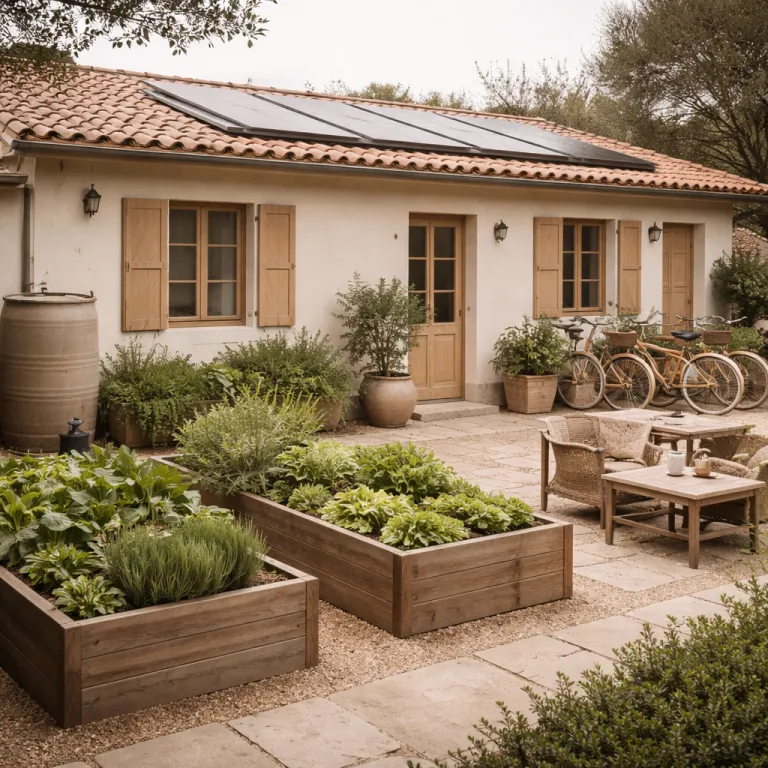
Across luxury hotels that operate as intimate guesthouses, the most convincing sustainability stories start with infrastructure rather than marketing. A luxury hotel that has committed to renewable energy on site, for example, will often combine solar thermal for hot water with high performance glazing and occupancy based lighting to reduce wasted energy in rooms and public spaces. When you book such friendly hotels, you are not just choosing eco friendly branding; you are supporting a property where sustainability and comfort are designed together, not traded off.
For couples choosing a hotel for a romantic stay, the question is how to read these signals. Look for clear information on green certifications such as Green Key or LEED certification, but also for specific details about water conservation, waste separation and local sourcing on the property website. Independent eco conscious hotels that take this seriously usually explain their environmental management choices in plain language, from the type of renewable energy they use to how they reduce food waste at breakfast.
Data from Booking.com’s 2023 Sustainable Travel Report indicates that 76% of global travelers want to travel more sustainably and 80% say seeing a sustainable certification makes them more likely to book a property. This aligns with what independent hotels report on the ground, where eco conscious guests increasingly ask about water systems, energy saving measures and whether the hotel supports local communities beyond a token gesture. In practice, they look for concrete actions such as motion sensor lighting in corridors, low flow showers, refillable bathroom amenities and breakfast menus that prioritize seasonal, locally sourced produce.
For a luxury focused booking platform, the mission is to surface those independent hotels where sustainability is embedded, not decorative. That means highlighting guest rooms with natural materials, low VOC paints and efficient heating, rather than only showing a generic eco label in the footer. It also means explaining how small, owner operated properties can deliver both indulgent hospitality and measurable environmental benefits, for example by reporting annual reductions in energy use or waste, without asking guests to compromise on comfort.
Beyond energy bills: water, waste and the environmental life of a stay
Energy is only the first chapter in the sustainability story of independent hotels and guesthouses. The more interesting work happens in the less glamorous systems that shape daily hospitality, from water conservation to food waste and laundry cycles. When you look closely at environmentally committed guesthouses, you see that the most advanced properties treat every liter of water and every kilogram of waste as part of their environmental impact ledger.
Water conservation in a small luxury hotel often starts with low flow fixtures and dual flush toilets, but the thoughtful properties go further. Some hotels and guesthouses capture rainwater for garden irrigation, install greywater systems for non potable uses, or partner with local authorities on watershed protection projects that benefit both residents and guests. These measures rarely appear in glossy brochures, yet they define whether a supposedly eco friendly stay genuinely reduces pressure on local water resources.
Waste is another area where independent hotels can move faster than large chains, precisely because their management is close to the ground. A guesthouse owner can decide in a single week to eliminate miniature plastic amenities, introduce refillable dispensers in all rooms and redesign breakfast to cut food waste by half. When you read reviews or price guides such as this global reality check on what a night in a characterful guesthouse costs, you can often see guests praising these small but meaningful changes that align luxury with responsibility.
Environmental management also extends to how a property sources food, textiles and amenities from local suppliers. Eco conscious couples increasingly ask whether the hotel restaurant works with nearby farms, whether linens are produced under fair labor conditions, and how cleaning products affect indoor air quality in guest rooms. Independent hotels that position themselves as friendly hotels in the sustainability sense respond by building long term relationships with local producers, which strengthens both the regional economy and the authenticity of the stay.
Certifications matter here, but they are not the whole story. Green certifications such as Green Key or LEED certification provide a structured framework for energy saving, water conservation and waste reduction, yet the most convincing sustainable hotels treat these certifications as a baseline rather than a marketing trophy. When you evaluate eco certified guesthouses, look for properties that explain how they maintain their certifications LEED or other labels over time, and how they involve guests in daily eco practices without being intrusive.
For travelers using a premium booking website, filters for eco friendly or sustainable boutique style properties are only the starting point. The deeper question is whether the hotel’s environmental impact is managed as part of a living system that includes staff training, transparent reporting and collaboration with environmental organizations. When independent hotels share how they work with local communities and kind traveler initiatives to reduce waste and protect ecosystems, for example by tracking the percentage of waste diverted from landfill or the share of food sourced within a certain radius, you can trust that sustainability is part of the hospitality culture, not just a checkbox.
Slow travel, long stays and why guesthouses are natural eco allies
Slow travel has moved from niche philosophy to mainstream behavior among eco conscious couples planning high value trips. Instead of three short breaks with multiple flights, many travelers now choose one longer stay in a single region, using a guesthouse or small luxury hotel as their base. Owner operated sustainable hotels are particularly well suited to this model, because their scale and local integration make extended stays feel like temporary membership in the neighborhood rather than a transient hotel experience.
From an environmental perspective, longer stays in independent hotels reduce the per night carbon footprint of travel by spreading flight emissions over more days and cutting repeated check in logistics. When you settle into one of these boutique hotels and guesthouses for a week or more, the staff can optimize energy use in your rooms, adjust cleaning schedules to your preferences and reduce laundry waste through simple agreements. This is where sustainable hotels and slow tourism intersect in practical ways that benefit both guests and the environment.
Couples who embrace slow tourism often care deeply about how their spending supports local communities. Independent hotels with strong sustainability credentials usually have direct relationships with nearby restaurants, guides and artisans, which means your stay circulates money through the local economy rather than extracting it. Articles on why pre manufactured guest houses are redefining premium stays show how even the construction phase can be optimized for lower environmental impact, using modular methods that reduce waste and improve energy performance from day one.
For a luxury focused booking platform, the opportunity is to curate guest rooms and suites that reward longer stays with richer experiences rather than only lower nightly rates. That might mean highlighting hotels and guesthouses where the owner offers weekly cooking classes with local ingredients, or where the property organizes walking routes that start at the front door and avoid unnecessary car use. Independent properties that design for slow travel tend to offer more generous shared spaces, from reading rooms to gardens, because they expect guests to linger rather than rush.
Energy saving technologies also work better when guests stay longer and staff can explain them properly. Smart thermostats, keycard controlled lighting and solar powered hot water systems all deliver more consistent environmental benefits when guests understand how to use them without sacrificing comfort. Independent hotels that invest time in this education, often during a relaxed check in conversation, turn sustainability from a hidden system into part of the hospitality narrative.
For couples planning their next escape, choosing slow travel friendly hotels is one of the most effective ways to align romance with responsibility. Look for small, sustainability minded guesthouses that explicitly encourage longer stays, provide detailed local guides and frame tourism as a relationship with place rather than a checklist. When a property talks about walking routes, seasonal menus and community events as enthusiastically as it describes its luxury amenities, and when it shares simple indicators such as average length of stay or percentage of guests arriving by train, you have likely found a genuine partner in sustainable tourism.
The honesty test: beyond green marketing in independent luxury hotels
Large hotel brands now speak fluently about net zero pathways, renewable energy and carbon offsets, yet the reality on the ground can feel distant from these glossy commitments. Independent hotels and guesthouses operate under a different kind of scrutiny, because guests see the owner at breakfast and can ask direct questions about sustainability practices. Small luxury properties therefore face an honesty test that is both demanding and healthy for the hospitality industry.
The most credible properties start with transparent communication about what they have achieved and what remains work in progress. A luxury hotel that has installed solar panels for part of its electricity but still relies on fossil fuel backup will say so clearly, explaining how future investments will increase the share of renewable energy. When hotels and guesthouses share data on energy use, water consumption and waste reduction in simple terms, they invite guests into a shared environmental management effort rather than hiding behind vague eco friendly claims.
Independent hotels that pass this honesty test also tend to integrate sustainability into the sensory experience of the stay. You feel it in the reclaimed wood floors, the natural fabrics in guest rooms, the filtered tap water offered instead of imported bottles and the quiet efficiency of LED lighting that flatters rather than glares. Boutique properties that invest in such details often pursue green certifications like Green Key or LEED certification not for the logo, but because the process sharpens their operational discipline.
For couples booking through a premium platform, there are practical ways to assess whether a property’s sustainability story holds up. Look for specific references to water conservation measures, such as low flow showers, rainwater harvesting or linen reuse programs that are genuinely optional rather than guilt driven. Pay attention to how the hotel describes its relationship with local communities and environmental organizations, because real partnerships usually involve ongoing projects rather than one off donations.
One dataset insight states plainly why this matters for independent hotels: “Why is sustainability important for independent hotels? To reduce environmental impact and attract eco-conscious guests.” When you see a property aligning its business model with this logic, from energy saving investments to thoughtful waste systems, you can trust that sustainability is not an afterthought. Owner operated hotels that treat eco conscious guests as partners rather than marketing segments tend to deliver more satisfying stays for everyone.
For travelers seeking restorative wellness escapes, destinations such as carefully selected luxury hotels in the Canary Islands show how climate, architecture and environmental design can work together. When a booking website highlights properties where guest rooms are naturally ventilated, where solar gain is managed through shading rather than overactive air conditioning, and where tourism revenue supports conservation, it raises the bar for the entire market. The future of sustainable boutique style hospitality will be written less in corporate reports and more in the daily choices of independent hotel owners who live under the same roofs they offer to guests, and who can point to tangible outcomes such as reduced kilowatt hours per guest night or higher percentages of renewable energy use year on year.
Key figures shaping sustainable guesthouse hospitality
- According to Booking.com’s 2023 Sustainable Travel Report, 76% of travelers now prefer properties with visible sustainable practices, which directly supports the rise of eco conscious independent hotels and guesthouses worldwide.
- Industry analyses from organizations tracking low carbon construction describe net zero and low carbon design as a defining standard for new small scale properties, pushing luxury hotels and distinctive guesthouses to integrate renewable energy and energy saving technologies from the construction phase.
- Research cited by the EU Tourism Platform shows that slow travel and longer stays are gaining ground across European tourism, which amplifies the positive environmental impact of sustainability minded guesthouses that encourage guests to stay longer and travel less frequently by air.