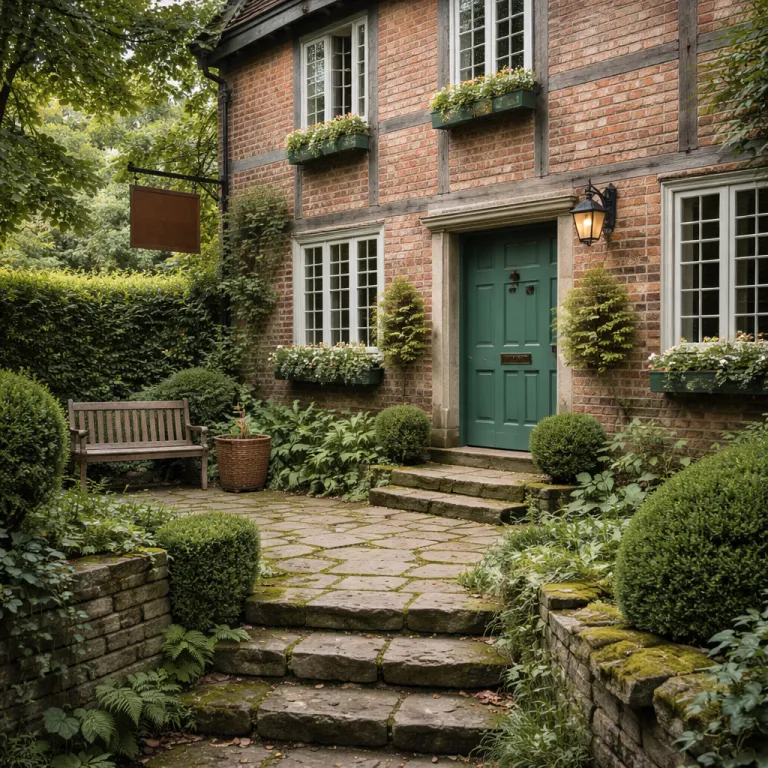
When a historic house becomes a guesthouse worth your journey
The most memorable historic property guesthouse conversion starts with respect. A successful project treats the original house as a host, not a backdrop, and every room feels like a chapter in a long story rather than a themed set. When you arrive, you should sense that this place has lived through many years and that you are simply the latest guest to cross the threshold.
Across Europe and the United States, former private homes, farm estates and city mansions are being reimagined as intimate hotels and guest houses. Conservation architects talk about adaptive reuse rather than simple renovation, because the best conversions keep the historic building fabric visible while quietly upgrading the bedroom and bathroom combinations, heating systems and acoustic insulation. Transforming a historic building into guest accommodation is not just a design exercise; it is a form of historic preservation that keeps real estate viable and avoids turning entire streets into museum-like hotel rows that feel frozen in time.
Data from the National Trust for Historic Preservation and similar heritage organisations in the United States indicates that hundreds of listed buildings have already become guesthouses, with studies suggesting an average increase in property value of around 15–20 percent after careful restoration.1 For example, a 2013 review of rehabilitation tax credit projects reported double-digit value gains for completed schemes in several states. That higher value is not only about financial return; it reflects the way guests respond to a well handled historic property guesthouse conversion where the land, the view and the buildings all work together. When occupancy rises because travellers choose these homes over anonymous hotels, it sends a clear signal that living with history can be both emotionally and economically rewarding.
Reading the architecture: how to tell if history has been respected
Walk into any historic inn or guest house and look up first. Original beams, mid-century stair rails or ornate Beaux-Arts plasterwork in public spaces tell you whether the historic building has been stripped back or cherished, and whether the conversion team understood the language of the house. If everything feels perfectly flat and new, you may be in a generic hotel that has borrowed an old façade rather than a true historic property guesthouse conversion.
Thoughtful projects keep floor plans legible, so you can still sense where the family dining room once sat, how the bedroom and bathroom suites evolved from smaller chambers and how the circulation between rooms respects the original building. Interior designer Amy Forshew, who transformed a historic outbuilding into a guesthouse in Berwyn, Pennsylvania, shows how a modest structure can become a refined place to stay while keeping its agricultural bones visible.2 Her work, completed in the late 2010s and widely published in regional design media, illustrates how adaptive reuse can honour farm origins, retain the sense of land and courtyard, and still deliver the level of comfort that couples expect from luxury hotels.
When you evaluate a historic property guesthouse conversion online, study the photographs of public spaces as carefully as the bedroom shots. Does the city centre townhouse still read as a house, or has it been carved into anonymous hotel corridors that could be anywhere in San Francisco or beyond? For a deeper sense of how architecture shapes the guest experience, our review of a refined stay at the Mt. Angel Abbey guest house in Oregon explores how monastic buildings can welcome modern travellers without losing their contemplative character.
Living with beautiful imperfections: what staying inside history really feels like
Choosing a historic property guesthouse conversion over new-build hotels means accepting a certain level of imperfection. Floors may slope slightly, windows can be smaller than in a contemporary building and the bedroom and bathroom layouts sometimes follow the quirks of thick stone walls rather than standardised modules. For many couples, those idiosyncrasies are exactly what turns a simple room into a place with memory and charm.
In well executed conversions, uneven floors and low beams are not defects but narrative devices that remind you of the years this house has already seen. A former farm might now host just a handful of suites, each one shaped by the original agricultural buildings, with a dining room opening onto the land where crops once grew and a sitting room carved from an old granary. Architects such as HBA in Wales and Beech Architects in England have shown how windmills, lodges and other historic buildings can become guest homes that feel both authentic and quietly luxurious, with restored masonry, exposed timber and carefully integrated services.3
Daily life inside these properties often centres on shared public spaces rather than oversized private zones. You might linger over breakfast in a panelled dining room, then read in a salon that once served as a family parlour, before returning to a compact but beautifully detailed bedroom with a carefully restored view of the city or countryside. If you enjoy stories where houses are almost characters themselves, our feature on the house guest as a literary figure offers a different lens on how architecture shapes relationships between hosts and visitors.
The economics of character: why these conversions cost more but give more back
From a developer’s perspective, a historic property guesthouse conversion rarely represents the cheapest route to opening a hotel. Structural surprises, conservation requirements and the need to work around existing floor plans all push costs higher than a straightforward new build on empty land. Yet the long term rewards, both financial and cultural, can be far greater than a standardised project on the city edge.
Careful historic preservation tends to create one-of-one properties that cannot be replicated, which is why real estate values often rise after a sensitive conversion. Travellers are willing to pay premium rates for a guest house where every bedroom and bathroom pairing has been individually resolved, where the building tells a coherent story and where occupancy is driven by word of mouth rather than discount campaigns. In markets from San Francisco to smaller European city centre districts, these houses often outperform larger hotels because they appeal to guests seeking intimacy and narrative rather than scale.
There is also a wider cultural dividend when private homes and arts buildings are reused rather than demolished. A former Beaux-Arts villa might now operate as a museum hotel with a small number of suites, while a mid-century office block could join a curio-style collection of design-led properties that celebrate their era instead of hiding it. In each case, adaptive reuse keeps historic buildings in active service, supports local craftspeople and ensures that the stories embedded in bricks and stone continue to be lived rather than merely observed.
What to look for when booking your next stay in a converted property
When you browse listings for a historic property guesthouse conversion, start by researching the building’s story. Many of the most compelling hotels and guest houses publish detailed histories that explain how the house evolved, how the land was used and which elements of the original structure remain visible. This context helps you decide whether you are booking a true heritage experience or simply a themed marketing exercise.
Next, examine how the property balances historic preservation with comfort in practical areas such as the bedroom and bathroom layouts, heating and soundproofing. Look for clear descriptions of adaptive reuse, mentions of conservation architects and evidence that public spaces like the dining room, library or garden terraces have been treated as seriously as the private rooms. Guest reviews that praise both the sense of history and the quality of sleep are a strong indicator that the owners have invested well in both structure and service.
Finally, consider how the property sits within its wider city or rural context. A townhouse in the city centre may offer immediate access to arts buildings, restaurants and waterfront views, while a former farm on the edge of a village will trade proximity for silence, land and night skies. Whether you choose intimate homes in the United States or grander buildings on the Mediterranean coast, the most rewarding stays come when the hotel, the house and the surrounding place feel inseparable.
FAQ
What is a historic property guesthouse conversion ?
A historic property guesthouse conversion is the process of transforming a historic building into guest accommodation. In practice, this means taking an existing house, inn or other structure with heritage value and adapting it for overnight stays while retaining its architectural character.
Are these historic conversions common for guesthouses and hotels ?
Yes, they are increasingly common, especially in heritage-rich areas. In many cities and rural regions, owners now favour adaptive reuse of historic buildings over demolition, which is why you often see guest houses, small hotels and museum-style stays inside former private homes, farms and civic buildings.
Do historic guesthouses offer modern amenities and comfortable rooms ?
Typically, they blend historic charm with modern comforts. Well executed projects upgrade essentials such as bedroom and bathroom configurations, climate control and sound insulation while keeping original features like beams, staircases and plasterwork visible.
How can I assess quality before booking a historic property guesthouse conversion ?
Start by reading how the owners describe the history of the house and the scope of restoration. Look for references to conservation architects, clear floor plans and photographs that show both public spaces and private rooms, then cross check guest reviews for comments on noise, comfort and the balance between authenticity and convenience.
Why do some historic conversions cost more than standard hotels ?
Restoring a historic building usually involves higher construction costs, specialist craftspeople and strict planning rules, which all push rates upward. In return, you gain a unique sense of place, lower room counts, higher service levels and the chance to stay inside architecture that could never be recreated today.
1 See, for example, National Trust for Historic Preservation, “The Greenest Building: Quantifying the Environmental Value of Building Reuse” (2011), and state-level heritage impact studies on property values after restoration.
2 Based on published project descriptions of Amy Forshew’s Berwyn guesthouse conversion in Pennsylvania, featured in regional shelter magazines and design blogs from 2018 onward.
3 Draws on case studies of historic building conversions by HBA and Beech Architects in the United Kingdom, including windmill and lodge restorations documented in practice portfolios during the 2010s.