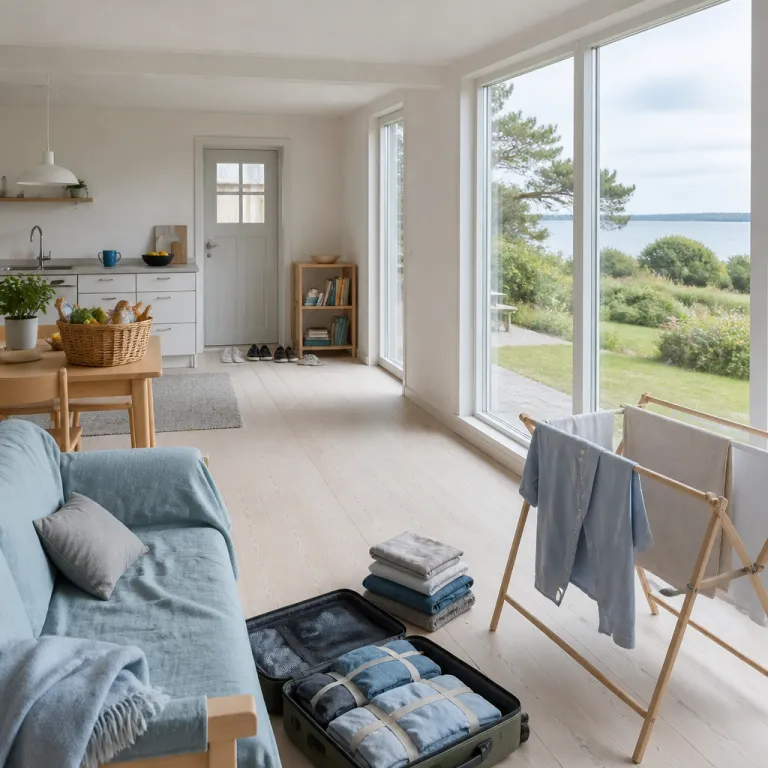
Week-long guesthouse stays: how extended visits change the way you travel
The day three shift: when a stay becomes a relationship
The first two nights at a guesthouse feel like any refined stay. By the third sunrise of a week-long guesthouse visit, the rhythm changes and the house begins to move around you rather than for you. You know which room catches the softest light and which guest prefers the earliest breakfast.
Hosts who usually operate like polished hotel receptionists start treating you as a temporary neighbor. They stop repeating house rules and instead ask whether you want your usual coffee or to try the new pastry from the bakery two streets away. This is the moment when an extended stay stops being a transaction and becomes a relationship shaped by trust.
For families, that shift is amplified because children map a property faster than adults. By midweek of a longer stay, they know which shared kitchen is best for snacks, where the quiet corner for homework sits, and how to check whether the guest laundry is free. Parents feel the pressure of arrival fade and can finally use the weekly rhythm to plan days in miles rather than minutes.
Guesthouse owners understand that multi-night bookings invite different expectations than a quick hotel weekend. Many quietly adjust rates for a weekly or monthly reservation, especially when you book direct and speak with the host rather than a generic platform. Industry snapshots from hotel associations and booking platforms suggest that small properties commonly offer around a 10–15% reduction for week-long stays, and that simple pattern helps explain why the extended guesthouse segment has become such a resilient part of the travel market.
That extra time also changes how you evaluate suites and rooms. Instead of asking whether a room feels stylish for one night, you ask whether the mattress will support a full week of sleep and whether the smoke-free policy is genuinely enforced. You notice if the laundry room is clean, if the pet-friendly rules are clear, and if the shared kitchen is stocked for real cooking rather than just reheating.
Hybrid travel in practice: work, family and slow days under one roof
Hybrid travel means you are not choosing between work and leisure during a week-long guesthouse stay. You might log into a meeting from a quiet room in the morning, then walk a few miles with your children to a park in the afternoon. The same property must function as office, family base and private retreat without feeling like a compromise.
This is where the remote work test becomes non-negotiable for premium travelers. You need reliable Wi-Fi, a proper desk or table in your room, and hosts who understand that quiet hours matter when a guest is presenting to a client in another time zone. For video calls and cloud work, many remote workers now look for download speeds of at least 25 Mbps and upload speeds around 5–10 Mbps. When a property passes that test, longer stays feel less like a sacrifice and more like an upgrade from anonymous hotels.
In the United States, extended-stay brands such as WoodSpring Suites and Intown Suites have long optimized for the hybrid traveler. Their suite-style models often include a compact kitchen, guest laundry access and weekly or monthly rates that reward longer commitments. Luxury guesthouses are now borrowing the best parts of that formula while adding character, local art and a host who actually remembers your name.
Families weighing a stay in Austin or a base in Houston often compare these extended-stay hotels with high-character guesthouses. A smoke-free, pet-friendly property with a generous kitchen and clear house details can outperform many traditional hotel options in Houston for a long working trip. The difference is that a guesthouse host will tell you which café has the best quiet tables for calls and which playground is shaded enough for late afternoons.
For readers interested in how this shift plays out across the luxury landscape, the analysis of small luxury properties expanding worldwide offers useful context on how intimate stays are evolving for longer trips. The same forces driving that growth are pushing guesthouse owners to refine their extended-stay offerings, from flexible weekly pricing to more thoughtful suite layouts in cities like Austin. Hybrid travel is no longer a niche; it is the default brief for any serious extended-stay host.
Negotiating weekly and monthly rates without losing the luxury
Once you commit to a week in a guesthouse, the conversation about money changes. You are no longer comparing single-night rates but weighing weekly and even monthly prices against the comfort and character you receive. That is where direct dialogue with the owner becomes your most valuable tool.
Most guesthouse owners quietly expect informed guests to ask about weekly rates. When you book direct and explain that you are considering an extended stay rather than a quick weekend, many will offer a structured discount that still respects the premium nature of the property. Industry figures from major booking platforms suggest that a typical weekly reduction often hovers around the low- to mid-teens in percentage terms, which can make a meaningful difference for a family.
Approach the conversation with clarity and respect rather than haggling. Share your exact dates, the number of guests, whether you are bringing a pet, and how you plan to use the space, including any need for laundry facilities or a fully equipped kitchen. A simple script can help: “We love your guesthouse and are planning a seven-night stay from the 10th to the 17th. With two adults, one child and a small dog, we will be working remotely and cooking most meals. Do you offer a weekly rate for a stay like this?” Hosts are more likely to adjust rates when they understand that you will treat the house as a home rather than as a hotel corridor.
Extended-stay specialists such as WoodSpring Suites and Intown Suites have normalized transparent weekly and monthly pricing in the hotel world. Their best rates are often clearly displayed for locations in Houston or San Antonio, especially near a major medical center where long-term guests are common. Luxury guesthouses can match that clarity by publishing weekly and monthly rates on their own sites and then fine-tuning them when guests reach out directly.
For couples planning a romantic but practical escape, pairing a negotiated weekly rate with a property that already excels at intimate stays can be powerful. A lakeside guesthouse with thoughtful suites and a generous kitchen can rival many hotels when you are staying for more than a weekend. As one Texas Hill Country host puts it, “When guests settle in for a full week, they stop counting nights and start counting memories.”
From visitor to neighbor: living the neighborhood for a full week
The most profound change during a week-long guesthouse stay is how you relate to the neighborhood. A weekend visit keeps you on the surface, ticking through a list of restaurants and sights before you check out. A week gives you the time to become a regular, even if only for a few days.
By midweek, you usually have a preferred coffee shop where the barista starts your order before you speak. You know which market stall has the best fruit, which bakery sells out first and how many miles it is to the park your children love. That familiarity turns a stay into a lived experience rather than a sequence of hotel nights.
Guesthouses are uniquely positioned to curate this shift from visitor to neighbor. Many owners now partner with local businesses and tour operators to create extended-stay packages that include market tours, neighborhood walks and introductions to artisans. When you ask for practical details at check-in, you increasingly receive a hand-drawn map and a list of names rather than a generic brochure.
In cities such as Austin, Houston and San Antonio, this neighborhood immersion can define whether a guest returns. A family staying near a medical center for treatment might value a quiet, smoke-free, pet-friendly guesthouse with easy access to parks and supermarkets more than any formal hotel lobby. Over a long stay, the ability to cook in a real kitchen and use guest laundry facilities can matter more than a bar or a spa.
Hybrid travelers who work remotely during the day and explore in the evenings benefit most from this deeper integration. They can schedule meetings around the local rhythm, slipping out between calls to pick up fresh bread or walk a few miles along the river. By the time they check out, they leave not just with photos of a beautiful room but with the muscle memory of a neighborhood they briefly called home.
How families travel differently when a week replaces a weekend
Families feel the difference between a weekend and a week-long guesthouse stay more acutely than any other travelers. Two nights demand urgency, while seven nights allow for slow mornings, naps and unplanned afternoons. Children sense that shift and quickly treat the guesthouse as a temporary home rather than a hotel stage.
Practical details matter more when you stretch a stay. Parents look closely at room layouts, checking whether suite-style options allow children to sleep separately while still feeling secure. They ask about guest laundry, pet policies, smoke-free rules and whether the kitchen is genuinely equipped for cooking rather than just reheating.
Extended-stay brands such as WoodSpring Suites, Intown Suites and other long-stay hotels have long understood these family priorities. Their properties in Austin, Houston and other major cities often highlight free parking, pet-friendly rooms and easy access to laundry facilities for weekly or monthly guests. Luxury guesthouses can match that practicality while offering a warmer, more personal atmosphere.
Parents also use a long-term stay to teach children how to live respectfully in someone else’s home. They involve them in simple routines such as sorting laundry, tidying the room and greeting the host each morning. Over a week, these rituals create a sense of belonging that no short hotel visit can replicate.
For many families, the extended stay becomes a template for future travel. They realize that one thoughtfully chosen guesthouse with fair monthly rates or generous weekly pricing can replace several rushed weekends in anonymous hotels. Once you have experienced that slower, more rooted rhythm, it is difficult to return to the old pattern of arriving on Friday night and leaving just as the place begins to feel like yours.
FAQ
Do guesthouses usually offer discounts for weekly stays ?
Many guesthouses provide discounted rates for weekly stays, especially when you book direct and explain that you are planning an extended visit rather than a short weekend. Industry snapshots from hotel associations and booking platforms indicate that these reductions often sit around the low- to mid-teens in percentage terms, though the exact figure varies by property and season. Always ask politely about weekly or monthly rates, as they are not always published online.
Which amenities matter most for an extended guesthouse stay long term week ?
For a week or longer, a well-equipped kitchen, reliable Wi-Fi and access to guest laundry usually matter more than a formal lobby or bar. A practical kitchen checklist might include a real stove, fridge with freezer, basic cookware, sharp knives, cutting board and enough plates and glasses for your group. Families and remote workers should also look for smoke-free policies, clear pet-friendly rules and quiet hours that support both rest and work. When these elements are in place, extended stays feel comfortable and sustainable rather than cramped.
Is it necessary to reserve far in advance for a week long stay ?
Advance booking is recommended to secure availability and the best rates, especially in high season or in cities with strong demand near a medical center or major event venue. Guesthouses often have fewer rooms than large hotels, so a single long-term reservation can block a significant portion of their calendar. Booking early also gives you more time to discuss weekly pricing and any specific needs with the host.
How does a guesthouse compare with extended stay hotels for families ?
Extended-stay hotels such as WoodSpring Suites or Intown Suites excel at predictable layouts, clear weekly and monthly pricing and practical amenities like guest laundry. A well-run guesthouse can match that functionality while adding personal hosting, local recommendations and rooms that feel individually considered. For a family planning a full week, the choice often comes down to whether you value standardized convenience or a more characterful, relationship-driven stay.
What should I check before confirming a long term guesthouse reservation ?
Before committing to a long-term stay, confirm the exact weekly or monthly rates, cancellation terms and any extra fees for pets or additional guests. Ask detailed questions about Wi-Fi speed, kitchen equipment, laundry access and whether the property is fully smoke-free. Finally, read recent reviews carefully to ensure that the hosting style and neighborhood atmosphere match the way you like to travel for a full week.