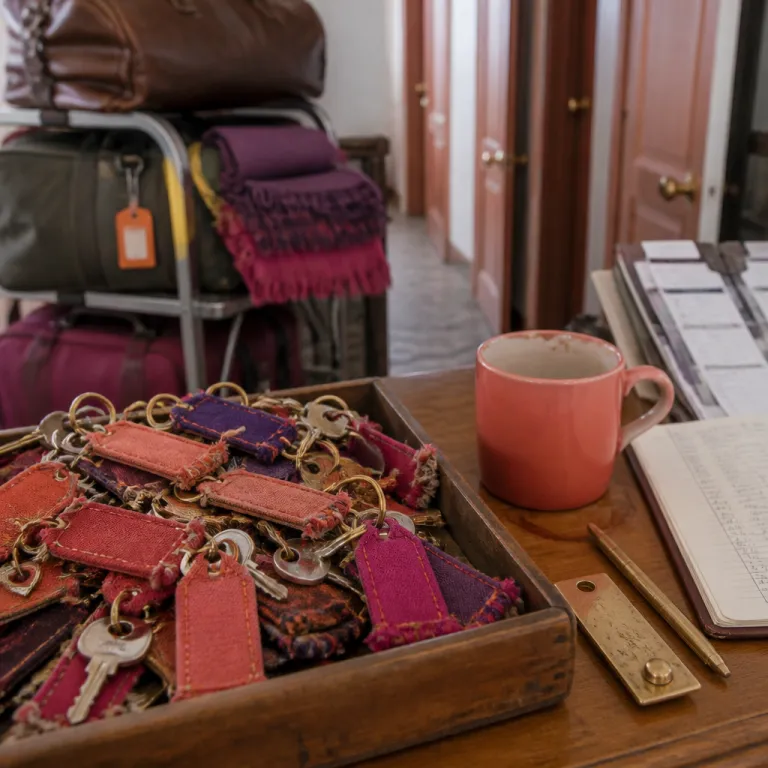
When summer turns intimate guesthouses into small season hotels
July and August push every independent guesthouse to its limit. During this peak season, high demand lifts occupancy rates and average daily room rates, but it also exposes whether the property is a lived-in home or just a seasonal hotel in disguise. For a premium family planning a summer stay, the high-season booking process becomes a stress test of both charm and management, especially when every room, suite and family unit is in play.
Across Europe, overnight stays now run into the billions, and that volume concentrates in a short summer peak that compresses time, staff energy and guest expectations. According to Eurostat’s “Tourism in the EU” statistics (2023, table 2, tourism nights by month), July and August together account for roughly one third of annual nights in many coastal regions, while STR’s “EMEA Hotel Review 2023” (p. 9–11) shows that in leisure destinations, occupancy can jump by around 30 percent and average daily rate by about 50 percent versus shoulder months. Hosts lean on revenue management tools, dynamic pricing and booking platforms to track real-time data, adjust pricing and protect revenue, while guests simply see hotel-level prices and wonder if the experience will still feel personal. The best independent properties accept that peak season is different, then design their guest journey so that full occupancy never feels like a crowded hotel corridor.
For owners, the event type is always the same; a predictable high-season impact that brings a booking surge, operational strain and a welcome revenue increase. Industry analyses from bodies such as Eurostat and STR consistently show that occupancy rates can climb by around 30 percent and average daily prices by roughly 50 percent once summer demand hits, and that shift changes everything from breakfast seating to front desk response times. In one five-room coastal guesthouse we studied in Portugal, for example, the owner increased average daily rate by 42 percent in August using dynamic pricing while capping occupancy at 95 percent; at the same time, she raised staffing from 0.6 to 1.1 employees per room and introduced 45-minute breakfast slots, which cut morning wait times from 18 minutes to under 7 minutes and kept guest satisfaction scores above 9.5/10.
How the best guesthouses protect calm when every room is sold
The most reliable sign of a well-run guesthouse in peak season is how invisible the pressure feels to the guest. Behind the scenes, a small équipe uses a lean management system, clear roles and precise data to keep service flowing even when occupancy hits the hotel peak. Owners who live on site often act as both management and concierge, translating real-time guest feedback into tiny adjustments that protect satisfaction day by day, from breakfast pacing to late check-in procedures.
Breakfast is where the illusion usually breaks first, because a charming four-table patio that works in low season can buckle under full summer occupancy. When every room is filled with families, the front desk and kitchen staff must choreograph seating times, buffet replenishment and dietary requests so that the morning never feels like a crowded hotel breakfast room. In the Swiss Alps, for example, the most refined chalets around Gstaad schedule staggered sittings and pre-orders, a level of planning you can see in any carefully run alpine guesthouse featured in our guide to chalet elegance and refined alpine stays. A typical pattern is three 40-minute slots for eight rooms, with families encouraged to book earlier times and couples later ones, which keeps the buffet calm and the terrace feeling like a private garden rather than a seasonal hotel canteen.
Guesthouse owners know that peak season demand is both an opportunity and a risk, because revenue management decisions can easily erode the very intimacy guests pay for. Many now use dynamic pricing tools and revenue management software to balance rates with length of stay, tracking average daily income and response rates to messages as closely as they track occupancy. As one Italian coastal host told us after a record August, “We decided we would rather turn away a few one-night bookings than turn our home into a transit hotel.” The smartest independent hosts treat social media comments, direct booking patterns and on-site guest feedback as live données, adjusting staffing levels and service touchpoints whenever the guest experience starts to feel more like a generic seasonal hotel than a lived-in home.
Peak summer with children: when family friendly really matters
Traveling with children in peak summer turns a charming guesthouse stay into a complex logistics exercise. Families arrive with strollers, beach bags and early bedtimes, and the high-season booking experience must account for all of that before anyone steps through the door. A property that feels serene for couples in low season can feel cramped for families once every room is full and the garden becomes the de facto playroom, especially when breakfast, pool time and naps all collide.
For premium families, the key question is not just whether the hotel or guesthouse accepts children, but how the small team actually manages them when demand is highest. Look for clear information about breakfast times, quiet hours and shared spaces, because these details reveal whether management has thought through peak-summer realities like nap schedules and late arrivals. Properties that publish transparent pricing for extra beds, clear policies on pool use and honest notes about noise between rooms usually have a stronger culture of guest satisfaction. A quick family checklist before you book might include: confirming cot or extra-bed availability in writing, checking if early breakfasts are possible, asking about shaded outdoor areas and play corners, and reading recent reviews that mention how staff handled children during August.
Booking timing matters just as much as the property itself, since availability for family-sized rooms disappears quickly in coastal hotels and mountain guesthouses. Our smart calendar guide to locking in guesthouse stays at their best value shows how booking early can secure both better rates and better room layouts. As one expert summary puts it, “How does peak season affect guesthouse prices? Prices typically rise due to increased demand.” and “How can guests secure better rates during peak season? Booking well in advance can help.”
Rethinking timing: shoulder seasons, direct bookings and smarter pricing
Not every family needs to travel at the absolute peak of July and August. If your children are younger or your work is flexible, shifting your guesthouse stay to the shoulder season can preserve the same summer light with calmer shared spaces and more human response rates from staff. In many Mediterranean destinations, late June and early September still feel like full summer, but the guest experience is closer to low season in terms of pace, with quieter pools, easier parking and more relaxed breakfast service.
From a pricing perspective, this timing shift can be significant, because revenue management models often push hotel peak prices only on the tightest dates. When you search across several hotels and independent guesthouses, compare not just headline rates but also minimum stay rules, cancellation terms and whether direct bookings include extras like breakfast or late checkout. Many seasonal hotels quietly reward flexible dates with softer pricing, especially when their data shows a gap between high-demand weekends and slower midweek nights, and this is where guesthouse peak season tips around date flexibility and direct contact with the owner can unlock better value.
For guests who must travel at the height of summer, there are still ways to keep peak-season bookings under control. Use social media to gauge real-time guest feedback about service during busy weeks, then cross-check that with how the front desk responds to your pre-arrival questions. Properties that answer quickly, explain their management system clearly and share honest details about occupancy and breakfast logistics are usually the ones that handle full houses without losing their soul. Hosts can run a parallel checklist of their own: confirming staffing ratios for sold-out nights, stress-testing breakfast seating plans, and reviewing message response times so that the guesthouse feels curated rather than crowded.
FAQ
How does peak season usually affect guesthouse prices and availability ?
During peak season, demand rises sharply, so both occupancy and rates increase. Industry reports from sources such as Eurostat’s “Tourism in the EU” statistics (2023) and STR’s “EMEA Hotel Review 2023” indicate that occupancy rates can climb by roughly 30 percent while average daily prices may rise by about 50 percent compared with quieter months. For guests, that means fewer available rooms, stricter minimum stay rules and a strong incentive to book early if you want specific dates or family-sized rooms.
What challenges do guesthouses face when every room is occupied ?
When a guesthouse reaches full occupancy, the small team must handle more check-ins, breakfasts and housekeeping turns without losing warmth. The front desk and kitchen staff often feel the strain first, because response rates to messages can slow and breakfast service can become crowded if management has not planned seating times. Well-prepared owners use a clear management system, extra seasonal staff and real-time data from guest feedback to keep satisfaction high even at the hotel peak, often supported by simple tools such as breakfast slot sign-up sheets and shared team dashboards.
How can families secure better value during the guesthouse peak summer season booking experience ?
Families improve value by booking well in advance, being flexible on dates and using direct bookings when possible. Many independent properties offer slightly better pricing or added benefits for direct reservations, because this improves revenue by reducing commission costs. Checking several dates around the summer peak, including shoulder-season weeks, often reveals softer pricing and more generous room options for the same guest experience, especially in family-friendly guesthouse booking scenarios where connecting rooms and suites are limited.
Is it worth choosing shoulder season instead of the absolute peak for a summer stay ?
For many travelers, shoulder season offers the best balance between weather, pricing and calm. You still enjoy long summer days, but occupancy rates are lower, breakfast feels less rushed and staff have more time for personal recommendations. This often leads to a richer stay, especially for families who value space, quieter pools and more flexible meal times, while still benefiting from many of the same activities and services available at the height of summer.
How can I tell if a guesthouse will cope well with high demand before I book ?
Signs of strong management include clear communication about breakfast logistics, realistic photos of shared spaces and honest descriptions of room sizes. Look for recent guest feedback that mentions service during busy periods, not just low-season stays, and pay attention to how quickly the property answers your pre-booking questions. A guesthouse that responds in real time, explains its policies clearly and shares practical details about peak-season operations is more likely to deliver a smooth stay when every room is sold, keeping the atmosphere closer to a lived-in home than to an anonymous seasonal hotel.