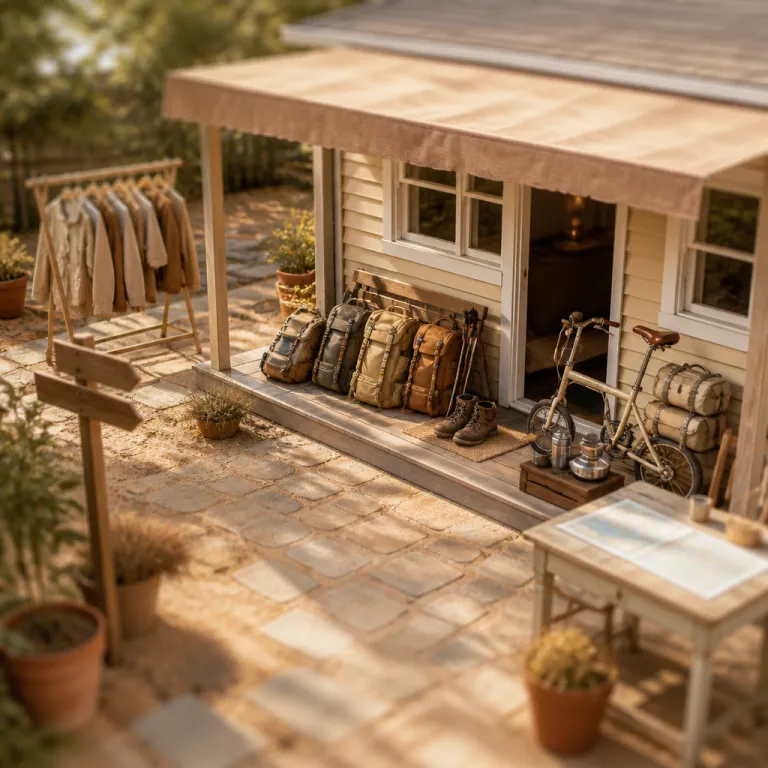
Why guesthouse base camps beat generic hotels for active travel
The smartest active travel booking starts long before you lace your hiking boots. When you compare properties for an adventure-focused trip, focus less on lobby drama and more on how the house supports your outdoor rhythm over several days. The best guesthouses feel like a private base camp where the host quietly becomes your trip leader, curating adventures that match your real activity level.
Luxury and premium guesthouses now rival many luxury hotels and casual hotels for serious adventure travel, yet they keep the scale intimate enough for a host to notice when your biking or hiking gear returns muddy. A 2023 survey by the Adventure Travel Trade Association found that small lodgings with fewer than 25 rooms receive higher satisfaction scores from hikers and cyclists than large hotels, largely because staff can adapt to individual routines. Some of the most interesting stays sit in the shadow of national parks, on backroads near the Grand Canyon or on coastal trails in Costa Rica, where a small group of rooms means the owner can adjust breakfast times to your earliest tours. At places like Desert View Inn in Tusayan, for example, couples can walk to shuttle stops for South Rim trailheads in under 10 minutes (around 800 metres), while the owner keeps a whiteboard of daily trail conditions by the door. This is where active travel couples learn that the right room, in the right house, can shape the entire trip, from the first hiking outing to the last slow evening on the terrace.
Think of your booking as choosing a partner for your adventures, not just a bed for the night. A strong guesthouse host acts as a leader for logistics, from arranging an adventure tour with a trusted guide to explaining which multi sport routes are realistic for your pace. When you compare options across hotels and guesthouses, look for properties that talk clearly about adventure tours, gear storage and outdoor facilities rather than only listing thread counts and cocktail menus. A host who says, “Tell me your longest day on the trail so far and we’ll plan from there,” is already thinking like part of your team and treating your stay as a multi day itinerary rather than a single overnight.
Gear logistics: storage, drying rooms and the quiet luxury of readiness
For any serious adventure, the difference between a good trip and a great trip often hides in the basement, not the bedroom. Couples planning an active guesthouse stay should ask blunt questions about gear storage, drying rooms and whether there is a space to sort equipment after long adventure days. A property that welcomes mud, sand and snow with calm efficiency will feel far more luxurious than hotels that panic at the sight of a wet backpack.
Look for places that describe dedicated outdoor gear rooms, boot dryers, bike racks and small workshop corners for multi sport repairs. In alpine regions near national parks or the Grand Canyon, the best hosts understand that biking and hiking guests need to tune chains and hang damp layers before they think about wine, and they design the house accordingly. In Chamonix, for instance, several chalet-style guesthouses offer locked ski and bike rooms with numbered racks and dehumidified drying cabinets, so everything is ready for the first lift at 8:30 a.m. Coastal guesthouses in Costa Rica or on northern lights routes might offer hose points, surfboard racks or kayak storage, turning the back garden into a functional base for multi adventure tours over several days.
When you compare listings, read reviews carefully for mentions of practical support for adventures, not just pretty views. Travelers often say things like “Comfortable beds, clean facilities, Wi-Fi, and proximity to activities,” and that simple checklist still matters for every active trip. Yet the real test of an outdoor base camp is whether you can return from a long adventure tour, drop your pack, rinse your boots and know everything will be dry, safe and ready for the next day’s tours without a single awkward conversation at reception. A quick way to assess this is to scan photos for visible racks, benches and hose points, then confirm by asking the host how many sets of gear they can store at once and whether there are written policies about drying muddy equipment indoors.
Early starts, smart hosts and the art of being mountain ready
Active couples rarely keep hotel breakfast hours, so your adventure booking should start with one key question: how early will they feed you? The right host understands that an adventure travel itinerary often begins before sunrise, especially for hiking in national parks or chasing the northern lights on winter trips. You want a house where the owner quietly leaves out fresh coffee, fruit and something substantial long before the first tour departure.
Ask directly whether breakfast can shift on big adventure days, and whether the kitchen can prepare packed lunches for long outdoor routes. In mountain towns like Aspen, properties such as White Elephant Aspen show how luxury hotels can support active travel with ski lounges, transfers and bike rentals, and the best guesthouses borrow that mindset at a more intimate scale. A thoughtful host will learn your routine over the first days of the trip, adjust the pace, learn which snacks work for your activity level and suggest when to schedule a rest morning between tougher adventures. One owner in Zermatt sums it up simply: “If you are on the 6:15 a.m. glacier tour, breakfast starts when you do.”
Do not underestimate the value of frictionless logistics when you compare options for multi adventure or multi sport itineraries. A house that coordinates with local guides, confirms pick up times for small group tours and understands travel insurance requirements removes invisible stress from the trip. For couples planning complex tours across backroads or remote valleys, that quiet operational excellence often matters more than any spa, because it lets you focus on the trail while someone else watches the clock. As a rule of thumb, if a host can clearly explain transfer times, typical weather delays and cut-off times for tour changes in one email, they are likely to run the rest of the operation with the same precision.
Host as trip leader: local knowledge that no app can match
The most rewarding active travel stays treat the host as a potential trip leader, not just a key holder. In many destinations, guesthouse owners live on site, walk the same trails and know which adventure tours are worth your limited days. That lived experience often beats algorithmic reviews when you need to compare two similar tours or choose between several backroads routes.
In remote places, this matters even more; think of a nature first property on an island like Hiiumaa in Estonia, or a coastal guesthouse near ENVI Paje in Zanzibar where guided eco kayaking through mangroves depends on tides and wind. A seasoned host will steer you toward the right small group operator, explain when a private adventure tour is worth the cost and flag when the advertised activity level does not match reality. They can also translate vague marketing terms such as “multi adventure” or “multi sport” into concrete days, telling you exactly how much hiking, biking or paddling each option involves.
When you book, ask how involved the host is in planning adventures and whether they partner with specific guides or national parks rangers. Some guesthouses effectively run their own in house adventure days, while others simply hand you a brochure rack like many casual hotels. For complex itineraries that cross borders or require travel insurance checks, a host who has seen many trips go right and wrong becomes an informal leader, helping you learn from other travelers’ mistakes before you make your own. A short video call or detailed email exchange before you confirm can reveal how proactive they really are and whether they are comfortable advising on weather windows, seasonal closures and realistic daily distances.
Recovery, safety and matching the guesthouse to your adventure style
After a demanding adventure, the way you recover can define how the rest of the trip feels. Couples planning an active guesthouse escape should look beyond the day’s tours and ask how the house supports muscles, minds and logistics once the boots come off. A genuinely premium guesthouse understands that post trail luxury is about hot water, quiet rooms and thoughtful food more than marble lobbies.
Check whether rooms are well insulated, whether there is a calm lounge rather than a noisy bar and how flexible dinner times are after long outdoor days. In colder climates or northern lights regions, a sauna, hot tub or deep bathtub can turn a basic stay into a restorative one, especially after multi sport itineraries that mix hiking with snow based adventures. Coastal houses near Costa Rica surf breaks or warm water tours might focus instead on shaded terraces, cool pools and light meals that let you sleep well before another early adventure tour. At a small lodge in La Fortuna, for example, guests can soak in a simple hot plunge pool while the owner checks the next day’s volcano trail closures on a shared notice board.
Safety and admin matter too; active travel always carries some risk, so confirm that your travel insurance or specific adventure travel insurance covers planned activities. When you book direct with a trusted property, you often get clearer answers about safety measures, evacuation plans and how the guesthouse coordinates with local hospitals or national parks services, and you can read more about why this matters in depth at this guide to booking directly with your guesthouse. Before you commit to several trips or tours, compare cancellation policies, ask how many days you can adjust plans without penalty and make sure the house will help you rework the itinerary if weather or health issues intervene. As a benchmark, many adventure-focused properties allow free changes up to 24–72 hours before departure for locally organised tours, but you should always confirm the exact cut-off in writing.
How to evaluate and book: from research to the final confirmation
Choosing the right base camp for an active trip starts with disciplined research, not last minute scrolling. Use booking platforms, maps and travel forums to build a shortlist of guesthouses that sit close enough to your key adventures without being trapped beside noisy main roads. Then compare each option against a simple checklist: proximity to activities, clear safety measures and recent guest feedback that mentions real trips, not just pretty décor.
When you read reviews, focus on comments from travelers who share your activity level and style of active travel. Look for mentions of early breakfasts, flexible hosts, gear storage and how the property handled bad weather or last minute tour changes over several days. Pay attention to occupancy and rate patterns too; an average occupancy around three quarters and a mid range nightly rate often signal a healthy balance between demand and value, especially in regions where luxury hotels dominate but well run guesthouses quietly outperform many hotels on service.
Before you pay, confirm the boring but vital details: cancellation terms, whether your travel insurance recognises the activities, and how the guesthouse handles payments for external adventure tours or small group excursions. Ask for clarity on who acts as the trip leader for complex multi adventure itineraries, and whether the house will help you learn local rules in national parks or protected areas. Once everything aligns, your active travel booking becomes more than a transaction; it becomes the first deliberate step toward a trip where every tour, every trail and every quiet evening feels anchored by a house that is genuinely on your side. To keep decisions simple, many couples create a one page comparison table listing distance to main trails, earliest breakfast time, gear facilities and cancellation rules before making the final call.
FAQ
What amenities should I prioritise in a guesthouse for an active trip ?
For an active trip, prioritise comfortable beds, strong hot water, reliable Wi Fi and secure gear storage over decorative extras. You also want flexible breakfast times, access to early coffee and the option for packed lunches on big adventure days. Finally, check that the guesthouse is close to your key activities, not just generically near town, and that the host is used to supporting hiking, biking or multi sport guests.
How do I verify that a guesthouse is safe for adventure travel ?
Start by reading recent reviews that mention safety, late night access and how the property handled any incidents. Then confirm with the host that there are clear security measures, emergency contacts and a plan for coordinating with local medical services or national parks rangers. If you are booking complex adventure tours, make sure your travel insurance recognises both the activities and the region, and ask the property whether they keep basic incident records or follow any recognised adventure safety guidelines.
Are guesthouses suitable for solo travelers on hiking or biking trips ?
Many guesthouses work very well for solo travelers because the scale is small and the host often knows every guest by name. You can join small group tours arranged through the property, share route tips at breakfast and still retreat to a private room when you need quiet. When booking, look for reviews from solo guests who mention feeling both safe and socially comfortable, and check whether the house offers single occupancy rates or shared transfers to popular trailheads.
How close should my guesthouse be to the main trails or tours ?
Being directly on the trail is not always ideal, especially if it means traffic, noise or limited dining options. Aim for a guesthouse within a short transfer of your main adventures, ideally 10 to 30 minutes, so you balance access with rest. What matters most is that the host understands local transport, tour pick up points and how long each transfer really takes on busy days, and that they can suggest reliable shuttle times for sunrise or late return tours.
When is it better to book direct with a guesthouse instead of through a platform ?
Booking direct is often better when you have a complex itinerary, need to discuss activity level in detail or want to arrange specific adventure tours in advance. Direct contact lets you ask nuanced questions about gear storage, early breakfasts and safety, and many hosts will tailor their service once they understand your plans. Platforms remain useful for initial research and price comparison, but the final confirmation for an active trip often works best in direct conversation with the property, especially if you expect to adjust plans because of weather or changing fitness during the stay.