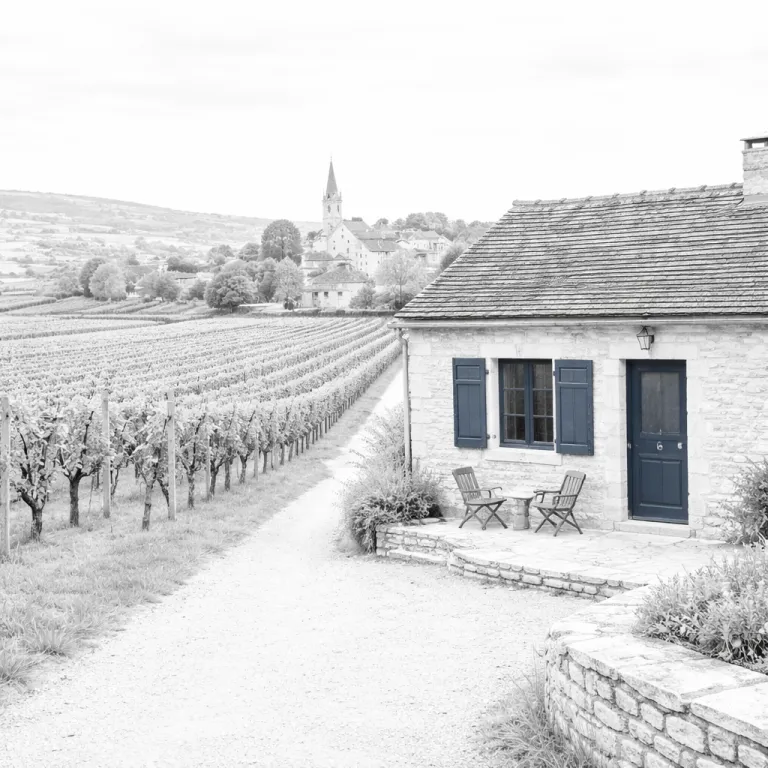
Burgundy guesthouse wine village stay: why it feels different
A Burgundy guesthouse wine village stay is not a marketing slogan, it is a way of travelling that puts you inside the life of the vineyards. In the villages between Beaune and Dijon, historic homes are being restored as intimate chambres d’hôtes where the resident hosts know the parcels of vines as well as many local winemakers, and that proximity changes how you taste every glass of Burgundy wine. You are not just booking a hotel room near wine country, you are choosing a stay where the kitchen, the gardens and even the pool are shaped by the surrounding vineyard culture.
Local tourism offices estimate that there are roughly 150 small guesthouses spread across the Côte de Beaune, the Hautes Côtes and the quieter hills above the grands crus, which means you can match the mood of your stay to the rhythm of each village. Some properties sit right on the Route des Grands Crus, with rooms and suites facing rows of vines, while others hide in stone farmhouses along the Voie des Vignes walking trail where children can wander safely between gardens and vineyards. What makes a Burgundy wine village guesthouse so compelling is the way it combines the comforts usually associated with hotels Burgundy wide — pools, small spas, thoughtful service — with the feeling that you are borrowing someone’s well loved home for a few nights.
Local tourism boards describe the shift clearly in their own words: “What makes Burgundy's guesthouses unique? They offer immersive wine experiences in historic settings.” That immersion is not about spectacle but about daily rituals, from a breakfast of local cheeses in a family kitchen to an impromptu wine tasting with a neighbour who manages a nearby wine estate. One Beaune host summed it up simply: “Guests arrive for the wine and leave talking about the people.” For couples used to anonymous luxury hotels, this kind of Burgundy countryside stay offers a quieter privilege, where the best wine moments happen at the long wooden table rather than in a formal restaurant.
Maison Le Chevreuil in Meursault: the new template for wine village luxury
In Meursault, Maison Le Chevreuil is often cited by local hoteliers as a signal that Burgundy’s guesthouse scene has entered a new chapter. This former village inn has been reimagined over a two year rehabilitation by a Burgundy based architectural team, creating ten rooms and suites that feel more like a private house than a conventional hotel. Each room looks onto the tiled roofs of the village or the nearby vines, and the palette quietly echoes the limestone soils that give Meursault white wine its depth.
The house’s TERRE restaurant anchors the experience with a style of fine dining that still feels rooted in the village. Dinner is served at communal tables where winemakers from Meursault, Puligny Montrachet and Chassagne Montrachet often sit beside guests, turning a simple stay into an ongoing wine tasting seminar. One regular described a recent evening as “half dinner, half cellar visit, with everyone passing bottles down the table.” It is here that a Burgundy guesthouse wine village stay shows its strength: the restaurant becomes a salon for the Côte de Beaune, and the line between guest, host and vigneron softens over shared bottles of Burgundy wine.
Maison Le Chevreuil also leans into comfort with an almost obsessive precision, from high end handcrafted beds to bathrooms that feel like private spas without using the word. Couples who usually book design forward hotels in Tuscany or other luxury hotels in Italy will recognise the same attention to narrative that defines many elegant stays in Tuscany, but here the story is entirely about Burgundy. You wake to church bells and the clink of bottles being loaded at a nearby wine estate, and by the time you step out into the village square, the idea of a generic hotels Burgundy search already feels distant.
From Beaune to Puligny Montrachet: choosing your wine village base
Beaune remains the obvious starting point for a Burgundy guesthouse wine village stay, and for good reason. Within the medieval walls, guesthouses occupy former merchants’ houses where thick stone keeps rooms cool in summer, and many properties open directly onto hidden gardens that back onto des vignes on the edge of town. Staying in Beaune gives you easy access to the Route des Grands Crus, the Voie des Vignes cycling path and the full spectrum of restaurants, from simple bistros to serious fine dining.
For couples who prefer a quieter rhythm, the villages of Meursault, Puligny Montrachet and Chassagne Montrachet offer a different kind of intimacy. In Meursault, you can walk from your room to the vines in minutes, passing family run wine estates where children play between barrels while parents pour tastings of white Burgundy wine. Puligny Montrachet and Chassagne Montrachet sit slightly off the main road between Beaune and Dijon, and guesthouses here often have direct views over grands crus parcels, with small pools and gardens that feel almost private to each stay.
North and west of Beaune, the Hautes Côtes and the hills above the Côte de Beaune host a growing number of stone farm guesthouses that suit travellers who want space and silence. Here, a Burgundy guesthouse wine village stay might mean a converted barn with just three suites, a shared pool and a kitchen where the owner prepares dinner using vegetables from the gardens and wines from local Beaune producers. If you are used to polished resorts in Provence, you will find a different but equally refined rhythm in these villages, and you can read more about that contrast in our guide to refined escapes in Provence.
Guesthouse versus hotel: the experience gap in Burgundy wine country
Ask regular visitors to Burgundy why they now search for guesthouses rather than a traditional hotel, and the answers are remarkably consistent. A Burgundy guesthouse wine village stay offers proximity to daily life that even the best wine focused hotels Burgundy wide rarely match, because you are sharing a roof with owners who live among the vines year round. You feel that difference at breakfast, when the person pouring your coffee also knows which parcel of des vignes produced last night’s bottle.
In a classic wine resort, the spa, the pool and the restaurant often sit slightly apart from the surrounding vineyard, both physically and emotionally. In a well run guesthouse, those same elements are woven into the fabric of the village, whether that means a small sauna tucked under the eaves or a plunge pool in the gardens that looks straight onto a neighbouring wine estate. The current hospitality design trend favours storytelling and cultural immersion over visual spectacle, and nowhere is that clearer than in Burgundy wine country, where the most interesting suites are the ones that feel like an extension of the winemaker’s own home.
There is also a question of trust and expectation, especially for couples investing in a special stay. Our guide to why the best guesthouses rarely advertise, which explores the word of mouth economy behind exceptional stays, is particularly relevant in Burgundy, where many of the most characterful properties still rely on repeat guests and recommendations from local domaines. One Meursault owner put it plainly: “If the neighbours wouldn’t stay here, we have done something wrong.” When you choose a Burgundy guesthouse wine village stay based on that kind of network, you are more likely to find the room where the curtains were chosen by someone who sleeps under the same roof, rather than a generic space designed for a brand brochure.
How to plan a Burgundy guesthouse wine village stay
Planning a Burgundy guesthouse wine village stay begins with timing and geography. Spring and autumn bring the most comfortable temperatures for walking between villages, and they are also when the vines and gardens look their best, from the first green leaves to the gold of harvest season. Map your route along the Route des Grands Crus or the quieter Voie des Vignes, then decide whether you want to base yourself in Beaune, in a smaller village like Meursault or Puligny Montrachet, or in the higher slopes of the Hautes Côtes.
Once you have chosen your village, look closely at how each property integrates wine into the stay. Some guesthouses partner with nearby châteaux or other wine estates for private wine tasting sessions, while others host informal evenings where neighbours bring bottles of Burgundy wine to share around the table. If you are travelling as a family, check how many rooms and suites are available, whether children are welcome at dinner, and whether there is a pool or small spa area where adults can unwind after a day among the vines.
Booking early is essential, especially for couples targeting the most characterful addresses in Beaune, the surrounding outskirts and the Côte de Beaune villages. Many of these properties have only a handful of rooms, and the best wine focused stays often fill months ahead when regular guests block the same room for the same week every year. As a rule of thumb, aim to reserve three to six months in advance for spring and autumn, and longer if your dates coincide with major wine events. Treat your Burgundy guesthouse wine village stay as you would a table at a sought after restaurant: plan ahead, be clear about your expectations, and you will be rewarded with a stay that feels both deeply local and quietly luxurious.
FAQ
What makes Burgundy’s wine village guesthouses different from other stays ?
Burgundy’s wine village guesthouses stand out because they place you inside working communities of vines, rather than at a distance in a large resort. Many are historic homes converted into small scale accommodations where owners have direct relationships with nearby wine estates and restaurants, which means your Burgundy guesthouse wine village stay often includes introductions to winemakers and access to cellars not open to the general public. The result is an experience where the room, the table and the vineyard are all part of the same story.
When is the best time to plan a Burgundy guesthouse wine village stay ?
The most rewarding periods are spring and autumn, when temperatures are mild and the vineyards are at their most expressive. Spring brings fresh greens to the vines and quieter villages, ideal for couples who want space to walk the Voie des Vignes or explore the Côte de Beaune without crowds. Autumn coincides with harvest and cellar work, so your stay may include the chance to see grapes arriving at local domaines and to taste Burgundy wine directly from barrel.
Should I base myself in Beaune or in a smaller village ?
Beaune suits travellers who want a wide choice of restaurants, wine bars and cultural visits while still being close to the Route des Grands Crus. A smaller village such as Meursault, Puligny Montrachet or Chassagne Montrachet offers a quieter Burgundy guesthouse wine village stay, with the advantage that you can usually walk from your room to the vines in a few minutes. Many couples choose to combine both, spending a few nights in Beaune and then moving to a village guesthouse for a more immersive end to the trip.
Are Burgundy wine village guesthouses suitable for families with children ?
Several guesthouses in Beaune, the Hautes Côtes and the villages of the Côte de Beaune welcome families, but policies vary. When planning a Burgundy guesthouse wine village stay with children, look for properties that offer interconnected rooms or suites, enclosed gardens and, ideally, a small pool where younger guests can relax after sightseeing. It is also worth checking whether the house offers early dinners or flexible restaurant arrangements, as many fine dining tables in wine country operate on a slower, adult focused rhythm.
How far in advance should I book a Burgundy guesthouse in wine country ?
Because many Burgundy guesthouses have fewer than ten rooms, they can fill quickly during peak periods such as harvest and major wine events. For a Burgundy guesthouse wine village stay in spring or autumn, aim to reserve at least several months ahead, especially in sought after villages like Meursault or near Beaune. Last minute availability is possible in the wider wine country, particularly in the Hautes Côtes, but the most characterful rooms are usually taken by repeat guests who return year after year.